Preparing for Egg Freezing

Fertility Health Check
Before freezing your eggs, we recommend assessing your fertility through a fertility health check to help determine if egg freezing is right for you.
A fertility specialist will run a series of tests to check your reproductive health. They will also assess your overall health and lifestyle and identify any changes that may be required to improve your outcome.
This process may identify potential fertility issues that need to be treated before you can freeze your eggs. The earlier these issues are identified, the better.
Sexual Health Screening
Sexually transmitted infections can impact your fertility. Your doctor may ask you to have a sexual health screening prior to freezing your eggs.
Chlamydia is a common sexually transmitted infection caused by the bacterium chlamydia trachomatis. In people with eggs, untreated infection can spread into the fallopian tubes and cause them to become blocked. Scar tissue can also develop around the fallopian tubes, making it more difficult for the tube to pick up the egg at the time of ovulation.
Other infections that may impact fertility include:
- Gonorrhoea
- Syphilis
- HPV
- Herpes
- Genital warts
- HIV
- Hepatitis B
Genetic Carrier Screening
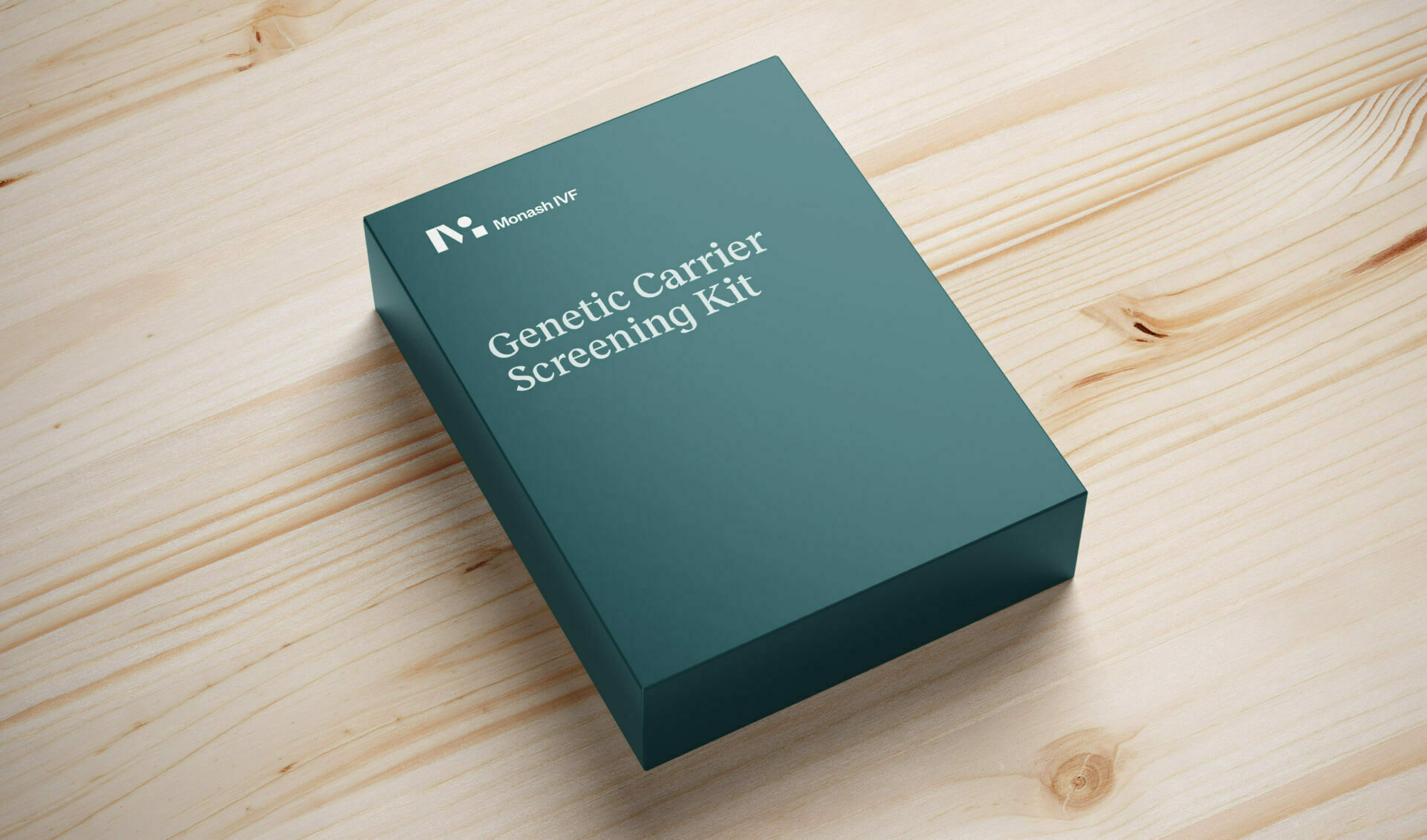
RANZCOG guidelines recommend that anyone planning a pregnancy completes genetic carrier screening to identify genetic factors that may impact fertility or the health of your child. Monash IVF offers At Home Genetic Carrier Screening Kits. Speak with your fertility specialist to learn about your options.
Health factors
Preparing for Your Egg Collection
Your nurse will provide all the necessary details for the day of your egg collection. This is a short 15-minute surgery procedure requiring a light general anaesthetic. Following surgery, you'll rest in recovery and be in the clinic for between 2 to 4 hours in total.
You'll need a support person to pick you up following the surgery, as you're unable to drive or take public transport alone afterwards. We recommend taking the day of your egg collection off work, and you'll receive a medical certificate for the following day to allow you to recover as required.
After Your Egg Collection
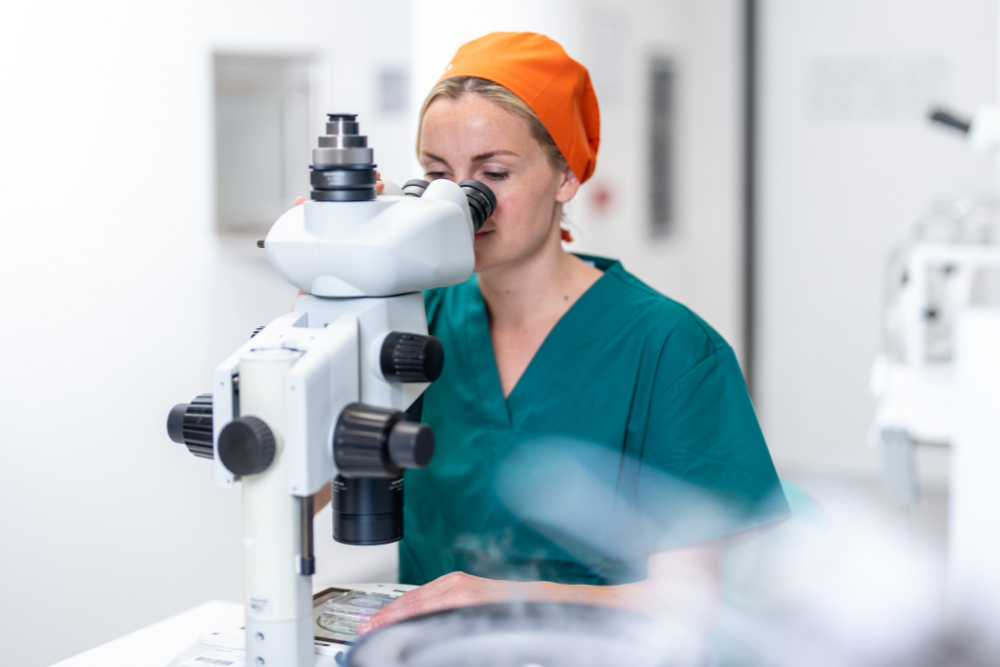
Following your egg collection, the doctor will confirm how many eggs were collected. The embryologist will assess the maturity of the eggs under the microscope in the laboratory, and the mature eggs can be frozen. An embryologist will call you the afternoon of your egg collection to let you know how many eggs were able to be frozen.
The nursing team will contact you the day after your egg collection for a wellbeing check, to advise when your period may arrive, discuss pain relief and outline next steps, which may include an appointment with your specialist. Depending on the number of eggs collected, you may be comfortable with a single cycle, or choose to undertake a subsequent cycle to increase your chance of a successful pregnancy or pregnancies in the future.
Using Your Eggs
People with ovaries are born with all the eggs they will ever produce, and egg quality and number decreases with age. However, once your eggs are frozen, they don't age. For example, if you freeze your eggs at 32 and use them at 37, your eggs are the same quality as when you were 32.
When you're ready to use your eggs, a pregnancy can be achieved using partner sperm or donor sperm, which Monash IVF has access to.
It's important to understand your chances of a successful pregnancy in the future. In general, approximately 85 to 90% of eggs will survive the initial freezing and eventual thawing process. There is then an approximate 50 to 70% chance of fertilising the eggs with sperm, and approximately 40% of fertilised eggs will develop into mature embryos.
The number of frozen eggs required to give a realistic chance of at least one live birth in the future varies from patient to patient, depending on age and other factors. Your fertility specialist will discuss this with you in detail in preparation for egg freezing.
Learn more about our success rates
This information is intended to be read in conjunction with the Patient Companion and advice from your fertility specialist and nurse.
Start your fertility journey
Wherever you are on your journey, one of our supportive nurse enquiry team members can help you understand your options and take the next step. These conversations are free and informative.